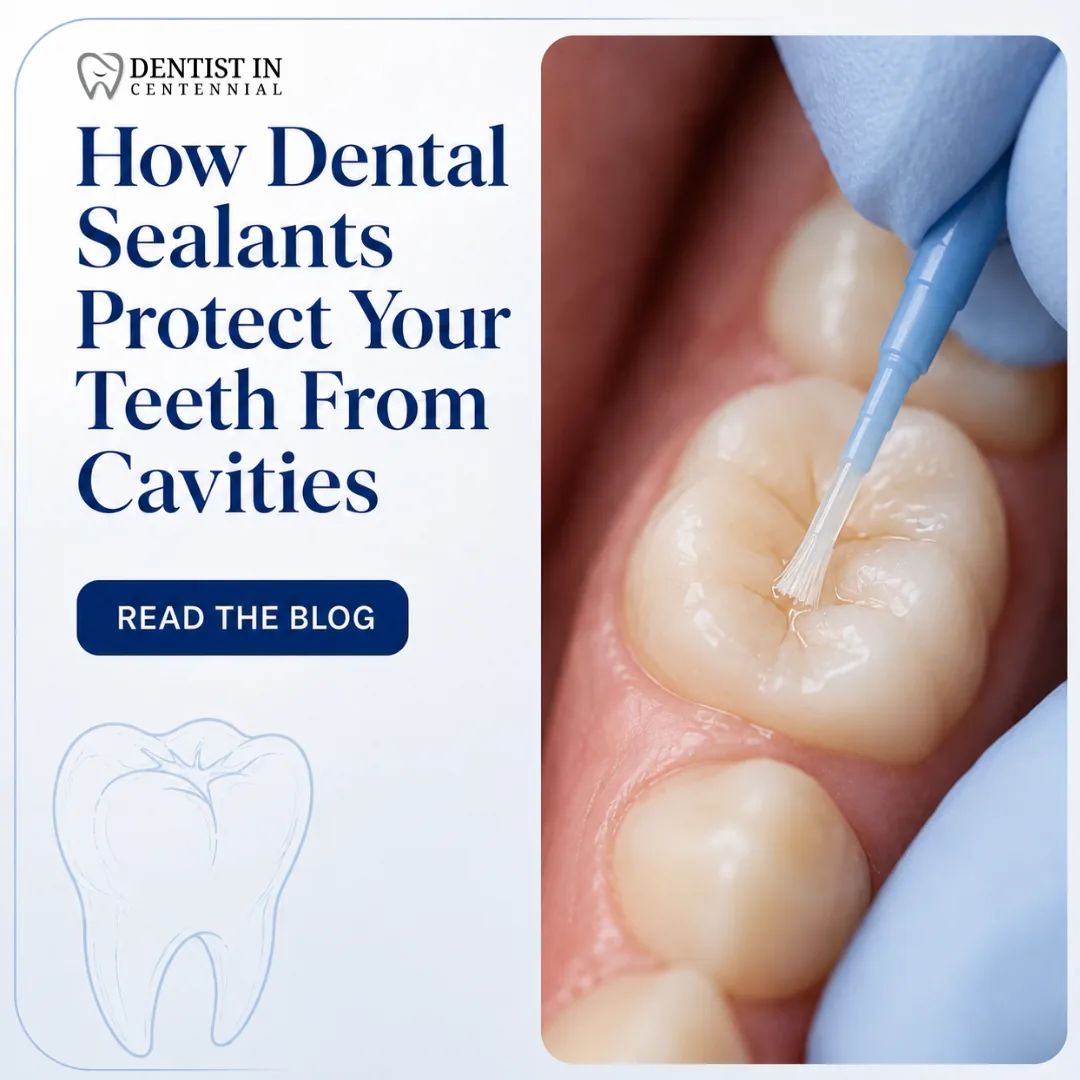
Many people worry when kids or teens get cavities in their back teeth. Parents want simple ways to stop tooth decay and protect enamel. Dentists also seek easy tools to help with oral health and dental care.
Dental Sealants form a thin protective coating on molar chewing surfaces. They block bacteria, food, and plaque from deep pits and fissures. Studies show sealants can prevent about 80 percent of cavities in back teeth over two years.
Dental sealants serve as a vital tool in stopping cavities. These thin, protective coatings shield the chewing surfaces of back teeth from harmful bacteria. They effectively penetrate and seal pits and fissures, preventing caries lesions from forming. Sealants block food particles and plaque, reducing the risk of tooth decay significantly.
Applying dental sealants can lower cavity risk in 6-year molars by up to 80 percent and reduce it by 60 percent or more for 4-year molars. Many dentists recommend sealant application for children, teens, and adults at risk for cavities; they can even prevent around 80% of cavities over two years in back teeth where most cavities occur. The next section will discuss who should get dental sealants and how long they last.
Dental sealants protect the teeth by sealing grooves and fissures on the chewing surfaces. These areas often trap food particles and bacteria, leading to cavities. Sealants create a thin, protective coating that fills in these hard-to-reach spots. This barrier helps block cavity-causing bacteria from settling in.
With dental sealants, the risk of tooth decay decreases significantly. Research shows that they can prevent 80% of cavities over two years in back teeth, where 9 in 10 cavities occur.
The application of sealants effectively allows for better oral health maintenance by reducing plaque buildup and keeping vulnerable molars safe from caries lesions.
Sealing grooves and fissures protects teeth from bacteria and food particles. This protection extends to acids and plaque buildup. Dental sealants create a thin barrier over the chewing surfaces of back teeth, effectively blocking harmful substances that can cause cavities. They target vulnerable areas prone to tooth decay, like the 6-year molars.
Sealants help fight against cavity-causing bacteria and acid erosion on enamel. Studies show that these coatings can reduce the risk of cavities in permanent molars by up to 80 percent.
For children, maintaining natural teeth becomes easier with this protective layer in place. Sealants play an essential role in preventive dentistry for oral health care routines.
Dental sealants effectively reduce the risk of tooth decay. They can lower cavity formation by up to 80% in permanent molars. This statistic highlights their importance in maintaining oral health, especially for children and teens.
Sealants create a thin, protective coating on the chewing surfaces of back teeth. These areas often contain grooves and fissures that trap bacteria and food particles.
By sealing these vulnerable spots, dental sealants block harmful substances from reaching the enamel. They significantly cut down the chances of caries development. Research shows that sealants can lower cavity risk in 4-year molars by 60% or more. With such strong protection against cavities, dental care becomes easier for families focused on prevention and maintaining healthy smiles.
Children, teens, and adults at risk of cavities should get dental sealants. These thin coatings protect the chewing surfaces of back teeth from harmful bacteria. Sealants are particularly effective on 6-year molars, reducing cavity risks by up to 80 percent. They can also lower cavity risk in 4-year molars by 60 percent or more.
Sealant application works best soon after permanent molars erupt. They last several years but may need reapplication over time due to wear and tear. Regular check-ups ensure that they remain intact and effective for tooth protection against decay. Sealants play an essential role in maintaining oral health and preventing cavities throughout life.
Dental sealants serve as an effective preventive measure for various age groups, particularly those most at risk of cavities. Young children, teens, and adults who face increased vulnerability should consider sealant application.
These thin protective coatings work best on the chewing surfaces of back teeth where cavities often develop.
Sealants significantly reduce cavity risk in 6-year molars by up to 80 percent. They can lower the chances of decay in 4-year molars by 60 percent or more. Especially valuable for children's dentistry, dental sealants help maintain natural teeth and protect enamel from harmful bacteria. Applying them during key growth stages ensures optimal oral health throughout life.
Children should receive dental sealants as soon as their permanent molars emerge. This typically happens around age six. Sealants can protect these teeth during a crucial time when they are highly susceptible to cavities.
For four-year molars, applying sealants also proves beneficial and reduces cavity risk by 60 percent or more. Protective coatings remain effective for several years with proper care. Regular check-ups will help determine if reapplication is necessary. Maintaining oral hygiene plays a key role in ensuring the longevity of sealants on teeth.
By sealing grooves and fissures, this preventive dentistry tool plays a vital part in overall oral health maintenance and cavity prevention.
Dental sealants have a strong durability. They can effectively protect teeth for several years. Regular dental check-ups help monitor their condition. Sealants may wear down over time, especially with heavy use or grinding. Many dentists recommend reapplication every few years to ensure continued protection.
Sealants provide effective cavity prevention by creating a barrier against bacteria and plaque. They are crucial in maintaining oral health, especially in children’s dentistry. Sealants can lower the risk of cavities in permanent molars by up to 80%.
This makes them an essential part of preventive dentistry strategies, helping to reduce tooth decay and maintain healthy enamel.
Dental sealants are a protective coating placed on tooth grooves. The coating sits on the enamel and blocks bacteria. This barrier slows tooth decay and helps cavity prevention. Sealants support oral health and tooth protection.
Dentists usually place sealants on back teeth where grooves trap food. Children’s dentistry often uses sealant application as a preventive step. Placing sealants early lowers the risk of cavities.
Sealants form a smooth coating over pits and grooves. Food and bacteria cannot stick in those areas. This cuts the chance of cavities and protects the enamel.
Yes. Sealants fit into preventive dentistry and routine dental care. They work with brushing, dental hygiene, and fluoride treatment. Together they boost oral health and cavity prevention.
Sealants can protect teeth for several years. A dentist checks them at regular visits. They can repair or reapply sealant applications when needed to keep protection strong.
No. Sealants help, but they do not replace daily dental hygiene. Brushing and fluoride treatment still fight tooth decay. Use all three for the best oral health and cavity prevention.
Tell us a little about what you need — we'll be in touch shortly.
20269 E Smoky Hill Rd, Centennial, CO 80015, United States
Hi! I'm Tooth fairy! Your AI Assistant Ask me anything