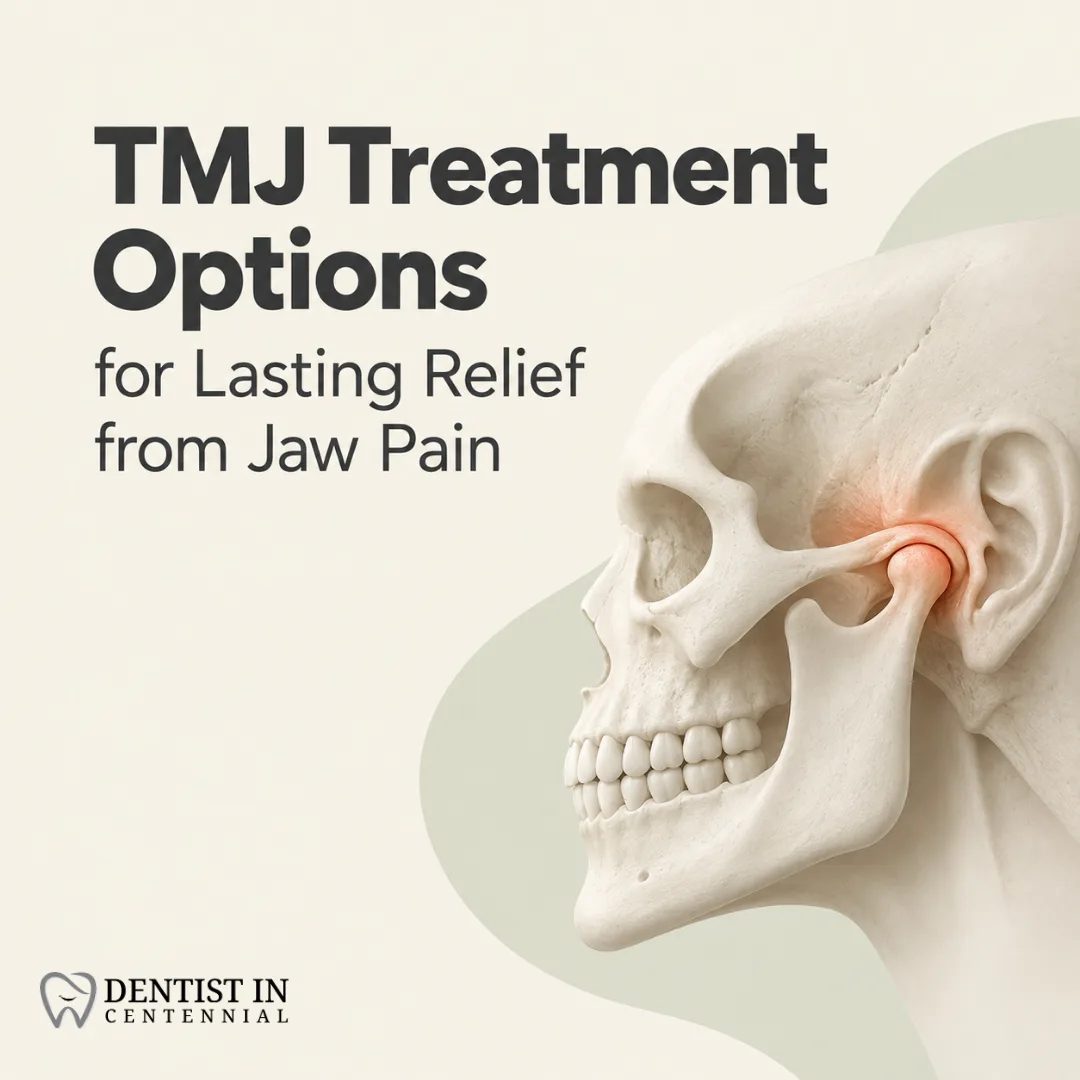
Many people wake with jaw pain or hear clicking in the jaw joint. They may have trouble eating, talking, or sleeping.
One fact is that most TMJ disorders respond to nonsurgical options like physical therapy, custom mouth guards, and pain management. Here you will know about home remedies, medications, dental devices, neuromuscular diagnostics, and when to consider surgical treatments.
Effective TMJ treatment options can help relieve jaw pain and improve quality of life. Individuals often explore various methods from home remedies to professional therapies for lasting results.
Home remedies and lifestyle changes can help reduce jaw pain from TMJ disorders. Applying a warm compress offers relief by relaxing tight muscles. People often find that heat eases discomfort in their temporomandibular joint. Eating soft foods prevents additional stress on the jaw during meals.
Jaw exercises also strengthen the muscles around this area. Gentle stretching can improve flexibility and range of motion. Many individuals benefit from avoiding clenching or grinding, known as bruxism, while they sleep.
Those who use custom mouth guards report better comfort at night. Making these simple adjustments can lead to lasting relief from jaw dysfunction and pain management challenges associated with TMJ treatment options.
Medications and nonsurgical therapies provide relief for those with TMJ disorders. Many people find muscle relaxants helpful in easing jaw tension. Nonsteroidal anti-inflammatory drugs (NSAIDs) can also reduce pain and swelling. For some, trigger point injections offer quick relief from localized discomfort.
Physical therapy plays a key role in managing jaw pain. Therapists guide patients through exercises that strengthen the jaw muscles. Custom mouth guards help align bites properly and prevent teeth grinding during sleep.
These dental devices often lessen strain on the jaw joint. Alternative treatments like prolotherapy may also stimulate healing in joints affected by TMJ issues. Pain management strategies combine various methods for effective results, allowing individuals to regain comfort in their daily lives.
Custom mouth guards often provide comfort by aligning the bite properly. These devices protect teeth from grinding at night and relieve pressure on the jaw. Patients can also consider intraoral appliances to improve jaw function. Neuromuscular diagnostics help dentists understand how nerves affect muscle movements in the jaw. For some, surgical treatments may become necessary.
Joint repair or occlusal adjustments can restore proper alignment as well. Many individuals report lasting relief after these advanced interventions, improving their quality of life significantly through effective TMJ treatment options for lasting relief from jaw pain.
Managing jaw pain requires a mix of strategies. Regular jaw exercises help maintain mobility and reduce discomfort. Simple stretches can ease tension in the muscles. Physical therapy serves as an effective option for many individuals, providing targeted relief through guided movements.
Incorporating custom mouth guards often proves beneficial; they improve bite alignment and minimize strain on the jaw. Comfort therapies like warm compresses also offer soothing relief.
Dental care plays a vital part too; regular check-ups ensure no underlying issues worsen over time. Staying mindful of stress levels can prevent clenching or grinding habits that lead to TMJ disorders and pain recurrence.
Jaw pain and TMJ disorders come from many causes, including teeth grinding, jaw injury, arthritis, and tense jaw muscles. A poor bite and too much stress can make symptoms worse.
Start with conservative treatment options that work well. Physical therapy uses jaw stretches, massage, and posture training to restore function. Custom mouth guards, such as occlusal splints, reduce grinding and protect teeth. Pain management includes over-the-counter drugs, short courses of prescription medication, and injections when needed. Changing habits helps too, like avoiding hard foods and clenching.
Doctors order neuromuscular diagnostics to measure muscle activity and jaw alignment, and to guide a precise plan. If pain does not respond to other care, they may consider surgical treatments. Surgical treatments can include arthroscopic surgery, joint repair, or joint replacement for severe TMJ damage.
Many patients find lasting relief in weeks to months with conservative treatment options like physical therapy and custom mouth guards. For severe cases that do not improve, surgical treatments can give longer relief. Your clinician will choose steps based on diagnostics, symptoms, and your daily needs.
Tell us a little about what you need — we'll be in touch shortly.
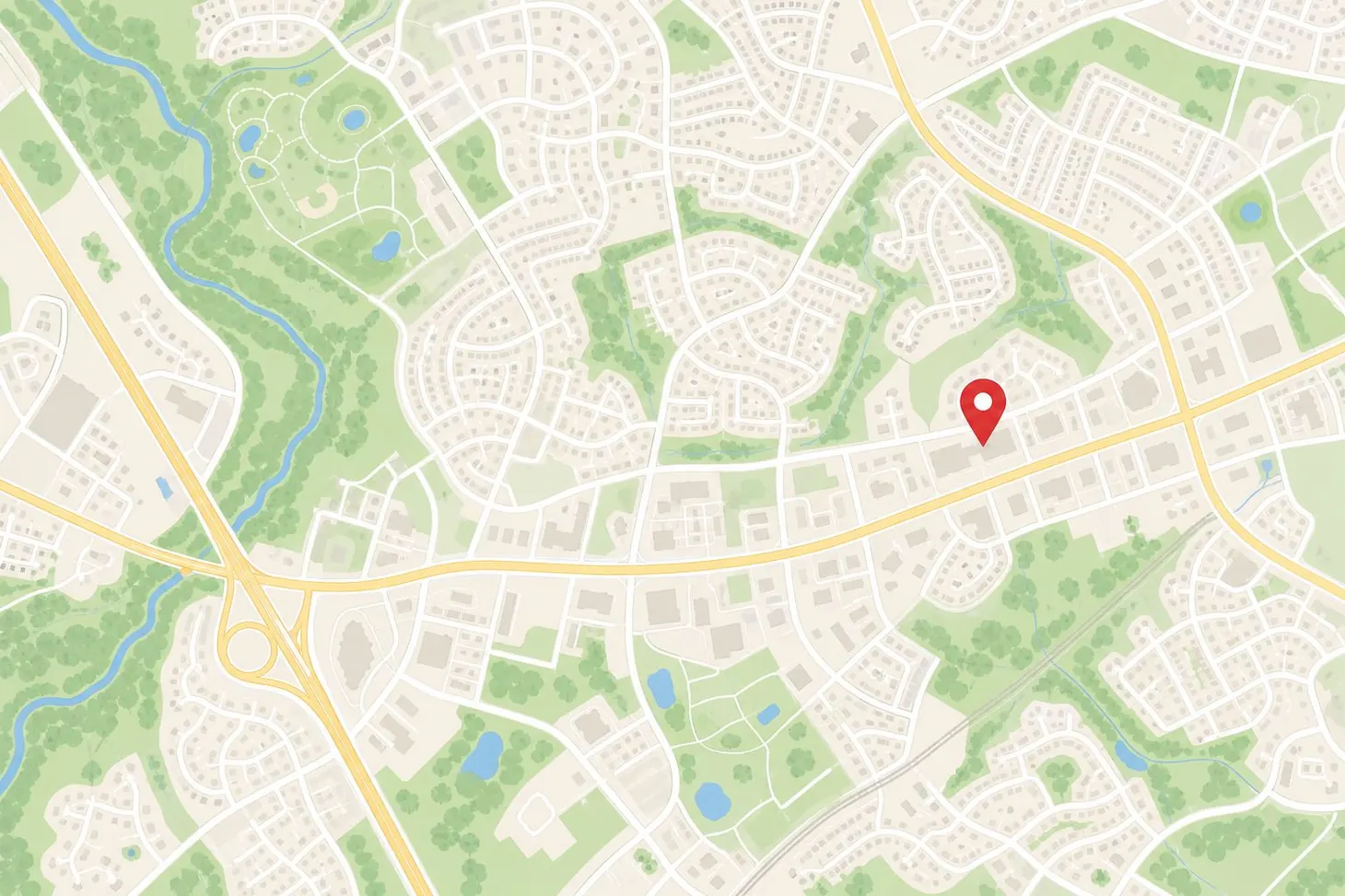
20269 E Smoky Hill Rd, Centennial, CO 80015, United States
Hi! I'm Tooth fairy! Your AI Assistant Ask me anything