Many families wait until December to search for a dentist near me or a pediatric dentist. Then they may find few open appointments. They may also leave cleanings or needed care unfinished while dental insurance benefits sit unused.
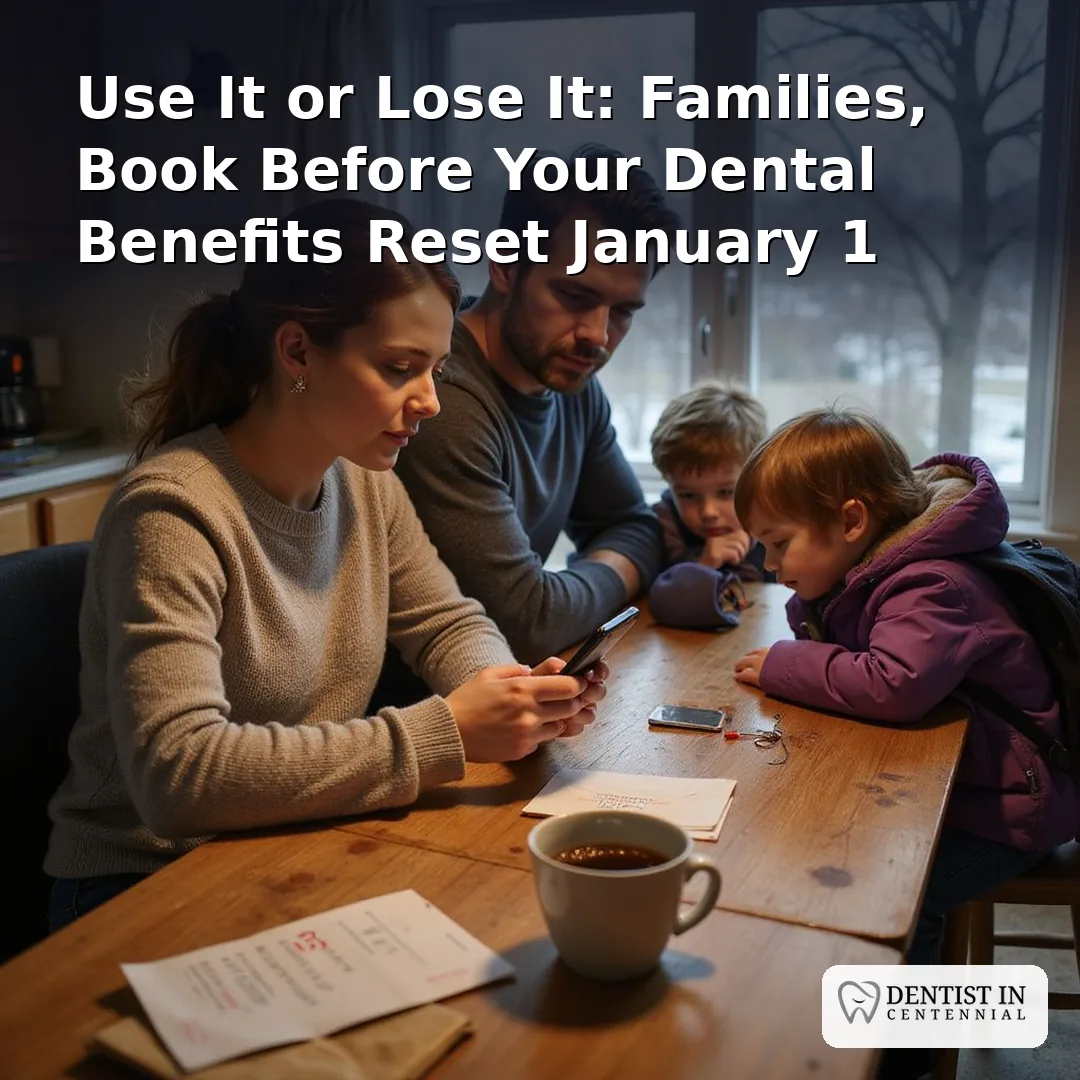
Most dental plans reset on January 1, and unused benefits often do not roll over. Here you will understand what plans may cover, how families can check their remaining benefits, and how to book care before December 31.
Most dental plans reset on January 1, the start of the plan year for many calendar-year plans. Unused benefits usually do not roll over. A patient who checks coverage after the reset may find that benefits for a cleaning, exam, or covered dental implant have expired. The plan may also erase progress toward a deductible the patient has not met.
Using dental benefits before the year ends makes good sense. Families can take advantage of preventive care, stretch their annual maximums, and avoid losing flexible spending dollars.
Cleanings and exams may be among the benefits lost when a dental plan resets on January 1. They can call their insurer to confirm the reset date and remaining coverage. That quick check can help them use benefits for care their children may need.
An annual maximum is the most a plan will pay during its plan year. Unused benefits typically do not roll over after the plan resets, often on January 1.
People searching for dental implants near me can ask their insurer whether their plan has benefits left for that care. Families can then check whether FSA funds have a year-end deadline.
Flexible Spending Accounts (FSAs) often operate on a "use it or lose it" policy. Families risk losing any unused funds at the year's end. These accounts typically do not roll over into the new year. Patients should use their FSA dollars before December 31 to avoid losing benefits they have already contributed to.
Scheduling dental appointments can help families fully utilize those funds. They can pay for cleanings, exams, and treatments using their FSA money. Unexpected expenses like full mouth dental implants or emergency dentist visits also qualify under these accounts.
Calling to confirm remaining balances is wise; this ensures everyone knows exactly what they have left to spend on necessary care before the deadline hits.
Many families have unfinished dental work. Completing those pending treatments before the end of the year is important. Patients risk losing benefits for procedures like fillings, root canals, or crowns if they don’t act quickly. Dental plans often include a "use it or lose it" policy, making timely appointments crucial.
Families shouldn’t wait until January to start addressing their oral health needs. Scheduling a visit with an emergency dentist near them can help tackle urgent issues right away.
Those who haven’t met their annual deductible may find that progress resets as well. Taking steps now can save both time and money later on when individual treatment costs come due again.
Dental plans often cover essential services that keep smiles bright. Regular checkups and teeth cleanings help families maintain good oral health, while treatments like fillings and crowns fix pesky problems.
Routine exams and cleanings play a crucial role in maintaining dental health. Families should use their benefits for these services before the year ends. Most plans cover these visits at 100%, meaning no out-of-pocket costs for patients. Regular check-ups help spot issues early, preventing costly treatments later on.
Scheduling routine care is simple and important. Many people miss their appointments as the year closes, losing valuable benefits they have already paid for. Taking time to book an appointment ensures families keep their smiles bright and healthy while using available resources wisely. Next, consider fillings, crowns, and root canals as part of your coverage options.
Fillings, crowns, and root canals remain essential services covered by dental plans. Many people may need fillings to repair cavities. Crowns help restore the shape of damaged teeth. Patients often require root canals when decay reaches the pulp inside a tooth.
Dental plans frequently cover these treatments, but families should act before the year ends. Unused benefits vanish after January 1, leading to missed opportunities for necessary care. Scheduling visits with an emergency dentist near them ensures families get the treatment they need while maximizing their coverage.
Finding an in-network dentist can save families money. Families should look for dentists who accept their insurance plans to make appointments easy and affordable. Booking multiple appointments at once simplifies the process. It lets families plan their visits around busy schedules.
Families should search for an in-network dentist to maximize their dental benefits. Most plans have a "use it or lose it" clause, which means they lose benefits if not used by year-end. Costs can skyrocket when seeing out-of-network dentists. A quick call to the insurer will clarify available coverage and potential costs.
A straightforward online search can reveal the best dentist near you. Keep track of appointments for checkups and treatments before December 31. This proactive approach helps families maintain good oral health while utilizing their insurance efficiently. Next, learn how to book multiple family appointments seamlessly.
Families can save time and make the most of their dental benefits by booking multiple appointments at once. This approach simplifies scheduling and helps everyone stay on track with their dental health.
Scheduling several appointments makes caring for dental health easier and ensures no one loses out on needed services right before the year-end reset approaches quickly. Moving forward, knowing what common services are covered by dental plans will provide clarity for patients seeking care options like routine exams or fillings.
Review your policy closely. Check what services your plan covers, so you know what to expect. Estimate any out-of-pocket costs for treatments. This helps families prepare financially and avoid surprises at the dentist’s office.
Families should check their dental insurance policy for coverage details. Most plans reset on January 1. Unused benefits may disappear when the new year starts, making it crucial to know what is left to use. Patients risk losing benefits like cleanings, exams, and even implants if they wait too long.
Calling your insurer helps clarify remaining benefits. It’s smart to ask four key questions about coverage limits and deductible progress. Understanding these details ensures families can maximize their dental care before the end of the year.
Planning ahead means avoiding costs that are already covered under current policies. Look for a dentist who takes your insurance so you get the best value from your plan before time runs out!
Reviewing the policy helps families understand what is covered. Cost estimates can highlight any out-of-pocket expenses. Patients should check their remaining annual maximums and deductibles. Many plans reset on January 1, so timing matters.
After scheduling appointments, people will want to know how much they may need to pay. Common services like cleanings and fillings often have set costs. Knowing these can help families prepare financially for treatments ahead of the new year. Understanding potential costs also clarifies if they'll save using benefits now or risk losing them later.
Families often have questions about their dental benefits reset. Many don’t realize that most plans will reset at the end of the year. Unused benefits typically do not carry over into the next year.
Families risk losing coverage for essential services like cleanings and exams if they don't act before December 31. Confirm your plan's reset date with your insurer. This simple step can save you money and time. Understanding remaining benefits helps in making informed decisions about appointments.
Schedule those last-minute visits now to use what you've already paid for; it's a smart move, especially as January approaches with new regulations on Medicaid and other options available!
Many dental plans reset on January 1. Unused yearly benefits may not roll over. Book a checkup soon, and ask your plan what it covers.
Check reviews, location, and accepted insurance. Then call to ask about open appointments before your benefits reset. A quick call can save you a last-minute scramble.
Search for an emergency dentist near me and call right away. Ask if the office takes your plan and what your visit may cost.
Coverage depends on your plan and treatment. A cosmetic dentist near me can explain which services your plan may cover. If you wonder, “what is Medicaid,” it is a public health program, and dental coverage varies by state. Ask your plan about all on 4 dental implants before booking.
Tell us a little about what you need — we'll be in touch shortly.
20269 E Smoky Hill Rd, Centennial, CO 80015, United States
Hi! I'm Tooth fairy! Your AI Assistant Ask me anything